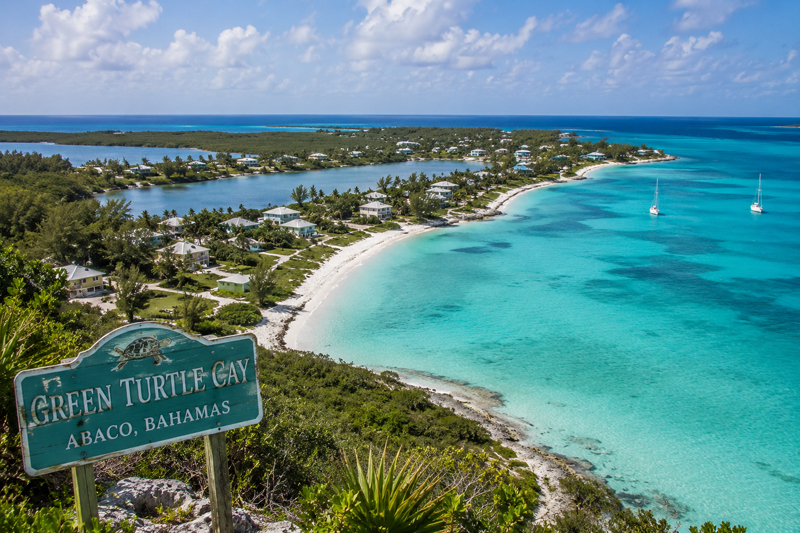
GREEN TURTLE CAY, Abaco — A proposed development at Gillam Bay on Green Turtle Cay has sparked growing concern among residents, reopening a familiar debate that has surfaced repeatedly throughout Bahamian history: How should the country balance economic development with environmental protection and the interests of local communities?
Residents have voiced objections to the project, saying they want greater transparency and meaningful public consultation before decisions are made that could permanently alter one of the cay’s most treasured coastal areas. While supporters point to the economic benefits that new investment can bring, opponents argue that development must proceed carefully to protect both the environment and the character of the community.
The discussion has an unmistakable sense of déjà vu.
Nearly two decades ago, another Abaco development captured international attention. The proposed Baker’s Bay Golf & Ocean Club on Great Guana Cay ignited one of the most contentious land-use battles in modern Bahamian history. What began as a dispute over a luxury resort evolved into a national conversation about environmental stewardship, public access to beaches, dredging, foreign investment, and the rights of local residents.
The Baker’s Bay controversy divided communities, generated years of legal challenges, and attracted the attention of environmental organizations from around the world. Although the project ultimately moved forward, it changed the way many Bahamians viewed major coastal developments. Questions that once received little public attention became part of the national conversation whenever large-scale projects were proposed.
Those same questions are being asked again today.
How much consultation should take place before approvals are granted? Can sensitive coastal ecosystems be protected while encouraging investment? How can economic opportunity be shared with local communities rather than concentrated elsewhere? And perhaps most importantly, how does The Bahamas preserve the natural beauty that attracts visitors in the first place?
No two developments are identical, and it would be unfair to suggest that the Gillam Bay proposal is another Baker’s Bay. The projects differ in scale, location, ownership, and circumstances. Yet they share something more fundamental: both force Bahamians to consider what responsible development should look like in an island nation where land and coastline are among its most valuable—and most vulnerable—resources.
Tourism remains the cornerstone of the Bahamian economy, and investment will continue to shape the country’s future. Few would argue otherwise. The challenge has never been whether development should occur, but how it should occur.
That is why consultation matters.
Developers deserve a fair and predictable approval process. Residents deserve to have their voices heard. Environmental concerns deserve careful scientific evaluation rather than dismissal. When all three principles are respected, projects are more likely to earn lasting public confidence.
The discussion unfolding on Green Turtle Cay is ultimately about more than a single parcel of land. It reflects an ongoing national conversation about growth, conservation, and identity.
History suggests these debates will continue. The hope is that each one leaves The Bahamas better equipped to strike the delicate balance between prosperity and preservation.